

Climbing the Ladder: How Executives Secured Their Last Job
07 / Apr / 2025
In the ever-evolving landscape of executive recruitment, understanding how senior leaders secure their roles is crucial for both job seekers and hiring organisations. Recently, Executive Heads conducted a poll to shed light on this very topic, gathering insights from 229 executives who found their roles within the last 12 months. The results are both enlightening […]
Craig Elvin
In the ever-evolving landscape of executive recruitment, understanding how senior leaders secure their roles is crucial for both job seekers and hiring organisations.
Recently, Executive Heads conducted a poll to shed light on this very topic, gathering insights from 229 executives who found their roles within the last 12 months. The results are both enlightening and indicative of current trends in executive job search strategies.
Poll Results: How Executives Found Their Last Job
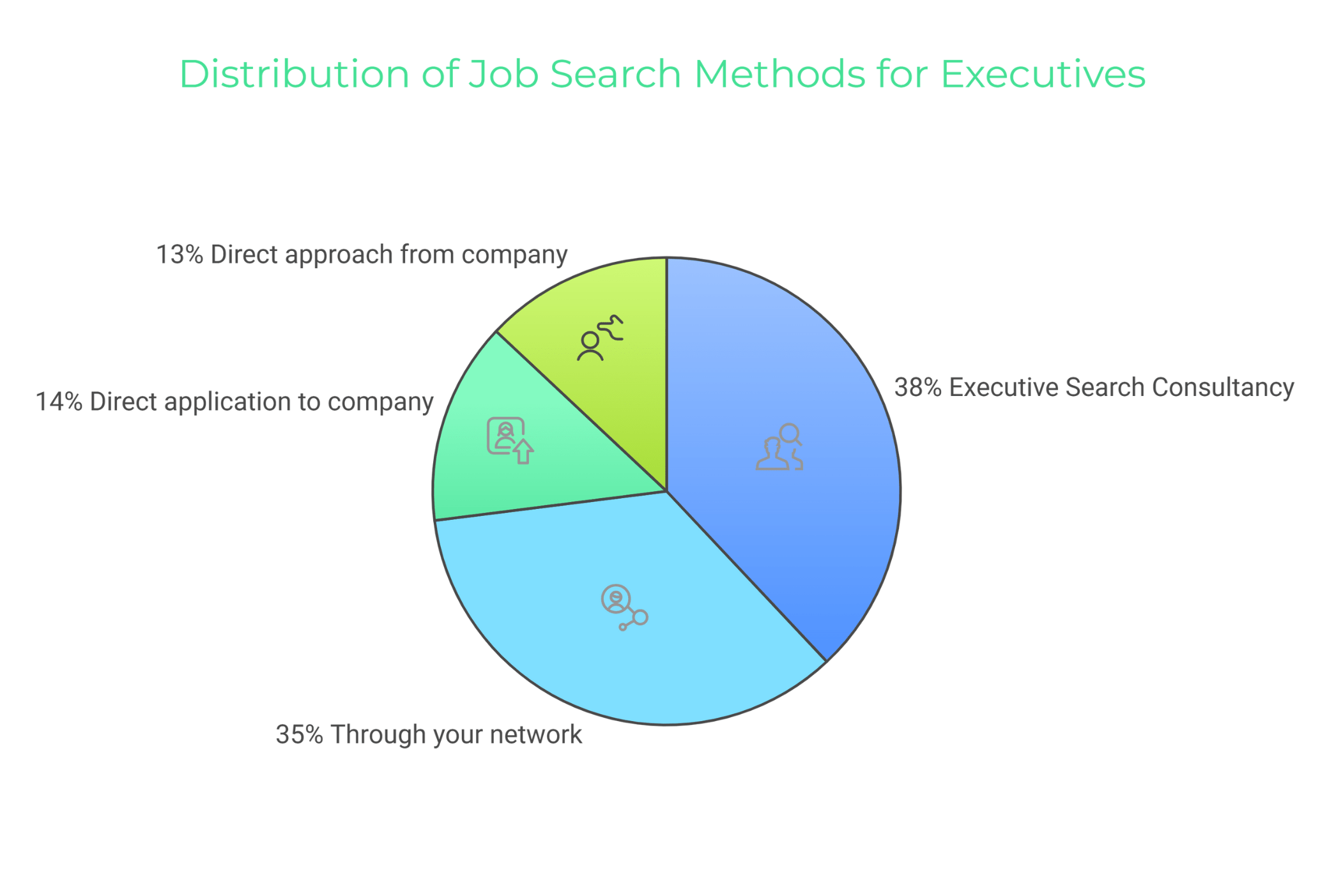
Direct application to company: 14%
Executive Search or Recruitment Consultant: 38%
Through your network: 35%
Direct approach from the company: 13%
Key Takeaways
1. The Power of Networking: With 35% of executives finding their roles through their network, it’s evident that personal connections remain a vital component of the job search process. Building and maintaining a robust professional network can significantly enhance one’s career prospects.
2. Executive Search Firms Lead the Way: The most popular method, with 38% of respondents, was securing roles through executive search consultants. This highlights the importance of leveraging specialised consultancies that have the expertise and connections to match executives with suitable opportunities.
3. Direct Applications and Approaches: While direct applications to companies (14%) and direct approaches from companies (13%) were less common, they still play a role in the job market. These methods may be more prevalent in organisations with proactive recruitment strategies or in industries where direct hiring is more common.
Proportional Time Investment in Your Job Search
Given the varied methods through which executives secure their roles, it’s essential to consider the proportional amount of time you should invest in each strategy. This is where we think you should be spending your time:
Networking: Allocate approximately 35-40% of your job search time to networking. Attend industry events, engage with professional groups, and most importantly, maintain regular contact with your connections. Networking not only opens doors to new opportunities but also provides valuable insights and support.
Executive Search Firms: Dedicate around 30-35% of your time to engaging with executive search firms and consultants. True professionals can offer tailored advice, access to exclusive opportunities, and help streamline your job search process.
Direct Applications: Spend about 15-20% of your time on direct applications to companies. Research organisations that align with your career goals, tailor your CV and cover letter and apply to relevant positions. According to most career statistics, the chance of getting an interview when applying for an executive job online is generally considered to be very low, often around 2% or less; meaning that only a small percentage of applicants will progress to the interview stage due to the high volume of applications for executive positions.
Direct Approaches: Reserve 10-15% of your time for responding to direct approaches from companies. Ensure your LinkedIn profile and other professional platforms are up-to-date and reflect your skills and achievements, making it easier for potential employers to find you.
Implications for Job Seekers and Employers
For job seekers, these findings underscore the importance of diversifying job search strategies. While networking and engaging with executive search firms are crucial, maintaining visibility through direct applications and being open to direct approaches can also yield opportunities.
Explore our tips on writing an executive CV here.
For employers, understanding these trends can inform recruitment strategies. Investing in executive search services and fostering a strong network within the industry can attract top talent. Additionally, companies should consider proactive approaches to identify and engage potential candidates directly.
Conclusion
The insights from our poll provide a valuable snapshot of the current executive job market. As the landscape continues to evolve, staying informed about these trends can help both job seekers and employers navigate the complexities of executive recruitment more effectively.
Click here for further insight into how to hire into your leadership team.
Latest Blogs
Leadership Communication: The Leadership Skill That Matters Most When Change Is Constant
Why Most Executive Interviews Fail – And the Cost Is Far Greater Than You Think
Upcoming Events
Executive to NED: Making the Move
18 / Sep / 2025
How to Build a More Valuable Business: The 8 Drivers That Increase Your Multiple
26 / Mar / 2026
Business Leaders Event: Turning Strategy into Action
25 / Jun / 2026
Creating a High-Impact Executive CV
14 / Aug / 2026

© 2026 EXECUTIVE HEADS
All rights reserved. Heads Resourcing Ltd.
Registered address: Fleming Court Leigh Road, Eastleigh, Southampton, Hampshire, SO50 9PD
Terms of use | Privacy Policy
Design by Pogo. Created By Arc.